

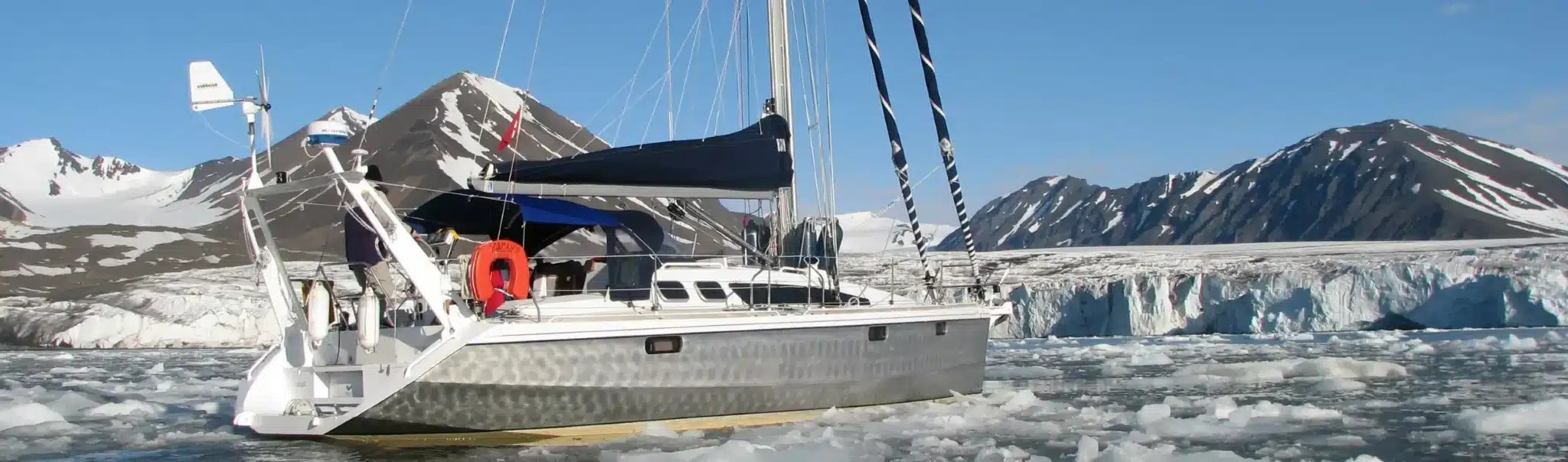
Choosing a blue water boat : Key factors for heading off far and wide
Setting off on a long-term voyage, crossing oceans or exploring remote regions demands much more than a boat simply capable of covering thousands of miles. A true long-distance sailing yacht must offer genuine comfort on board, be able to cope with changing weather conditions, remain self-sufficient and enable its crew to sail safely, sometimes far from any assistance.
So, first and foremost, it is the sailing project itself that must guide the choice of boat. A sailing yacht intended for tropical anchorages and coastal cruising won’t necessarily have the same characteristics as a boat designed to sail, for example, in Greenland, Patagonia, Antarctica or the remote archipelagos of the Pacific.
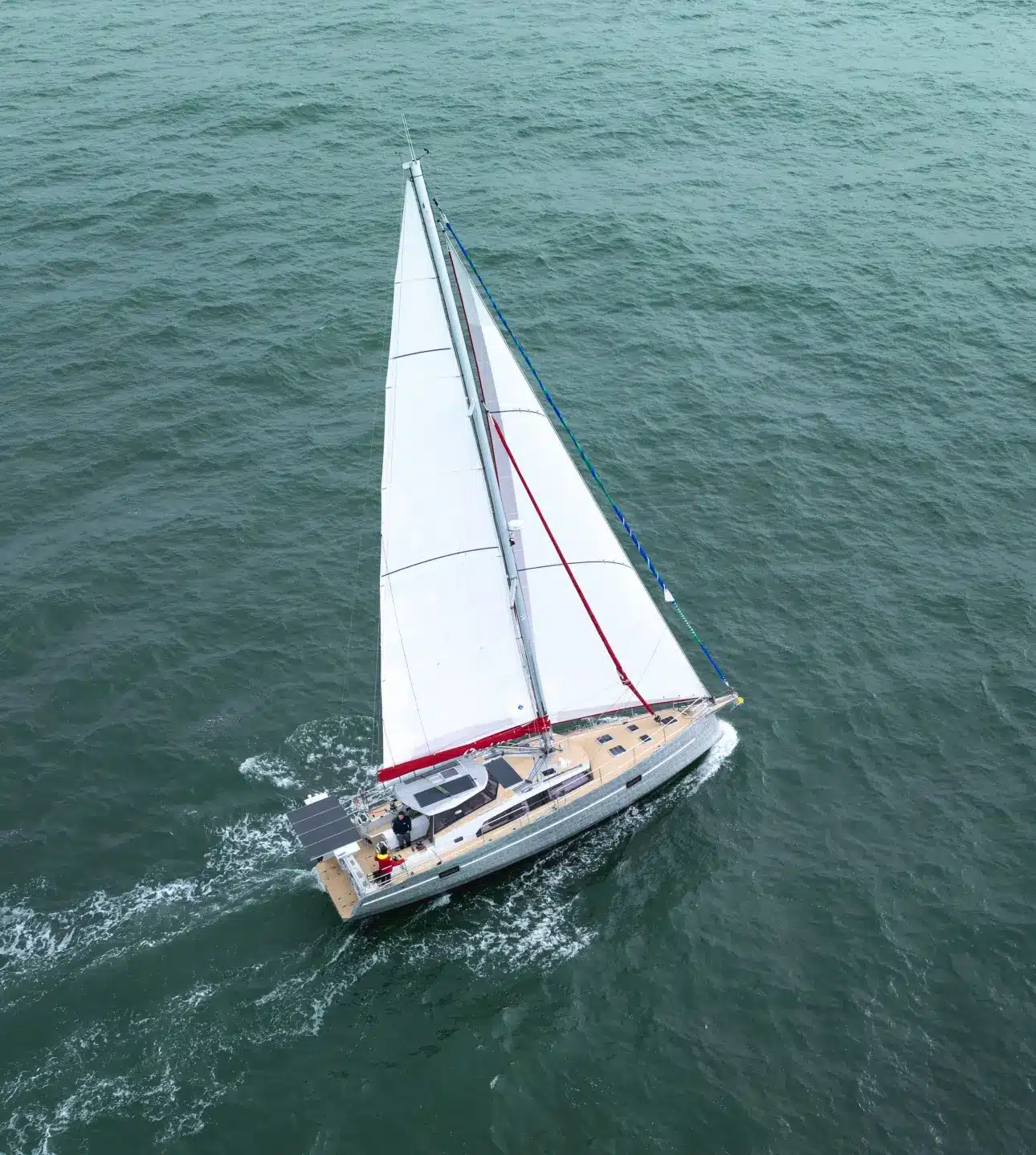
What should you look for in a genuine
blue water sailing yatch ?
Before choosing a model or a shipyard, the first step is to define your sailing plans.
Whether it’s a circumnavigation, ocean passage-making, sailing in polar regions, or you intend to live aboard long-term, the requirements can vary greatly. Certain criteria, however, remain essential for all blue water projects.
At ALUBAT, this requirement is built in right from the design stage of our boats. Particular attention is paid to creating practical access points that are sufficiently spacious and easily accessible to the various technical systems. The aim is to enable you to understand how your boat works, to carry out routine maintenance and to take effective action when necessary.
On a blue water yacht, reliable equipment is essential.
Being able to access it easily is just as important.
Liveability and temperature comfort also play a vital role on board. A boat designed to sail in all latitudes must remain a pleasant place to live in, whether in the tropics or in colder climates. Insulation, heating, ventilation, storage, clothes drying and the organisation of spaces therefore take on particular importance.
Comfort thus becomes a genuine asset, enabling the crew to live on board and sail with peace of mind, whatever the conditions and the duration of the voyage.
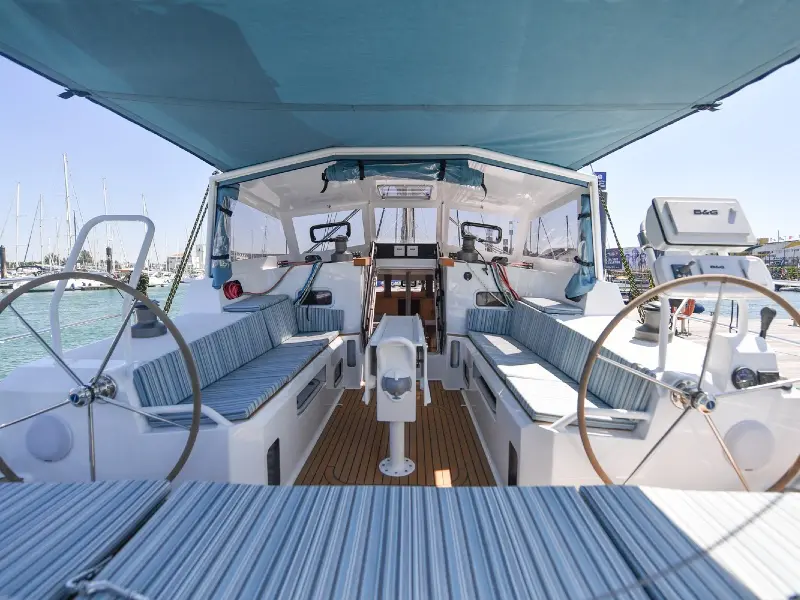
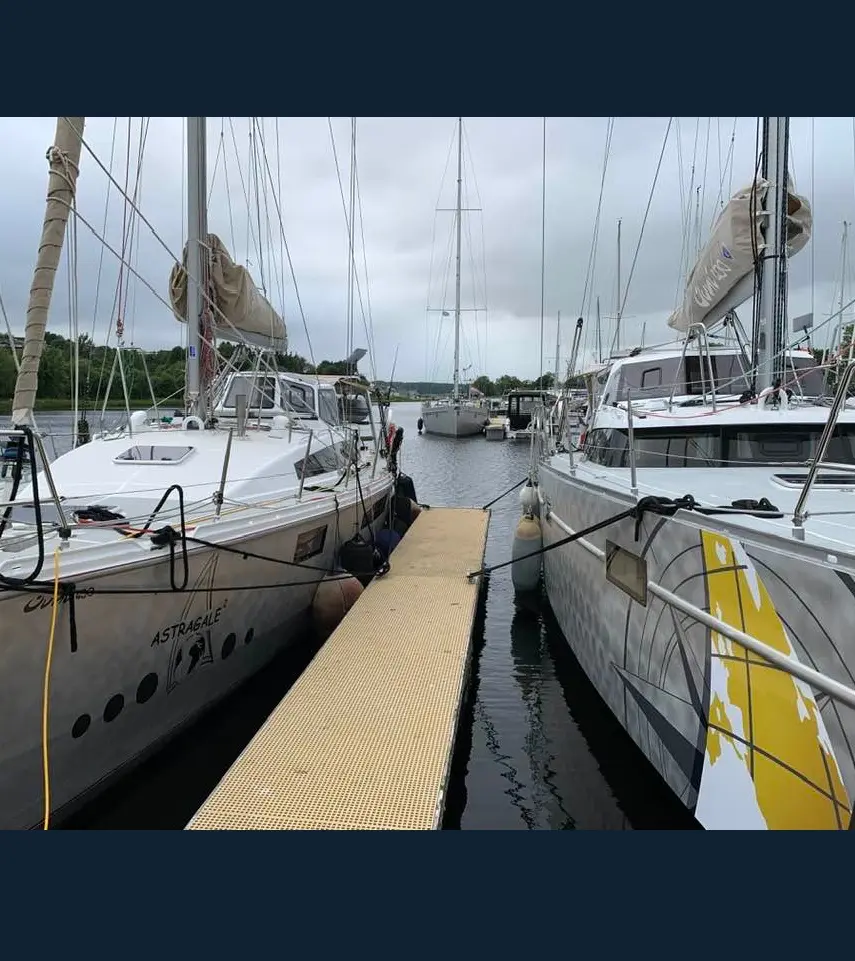
Photo credit : © Astragale2 & Ardoukoba - Rémi & Yannick
The strengh of a sailing community
Preparing for a major voyage also means drawing on the experience of those who have already set sail.
Through the OVNI Club, ALUBAT benefits from a community of sailors with a wealth of knowledge. Discussions amongst members enable the sharing of practical information on destinations, equipment, layouts, conditions encountered and solutions implemented during their travels.
This collective experience is particularly valuable when preparing for a voyage in a region you might be unfamiliar with.
ALUBAT’s expertise is thus complemented by the experience of an entire community of sailors. Their feedback, combined with our knowledge of boats, enables us to offer you the best possible advice and to prepare your boat in line with your sailing plans.
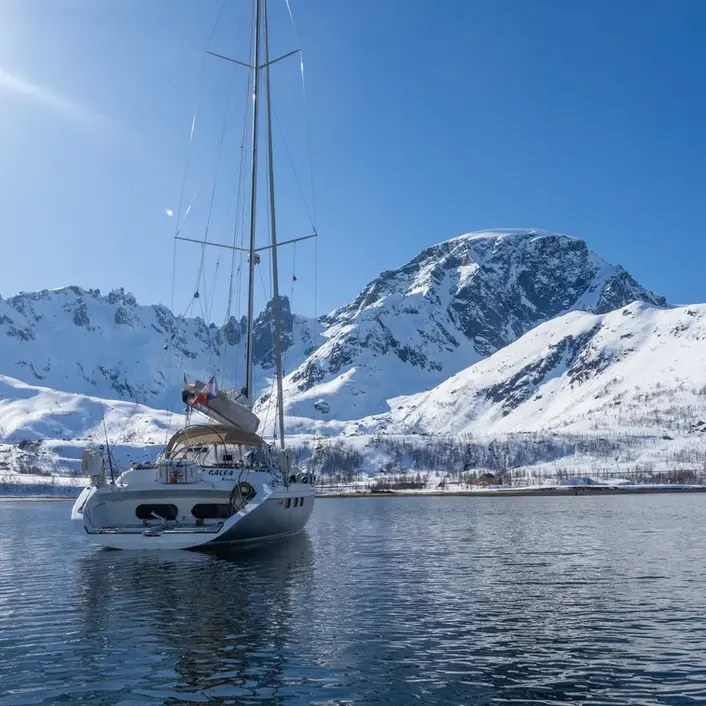
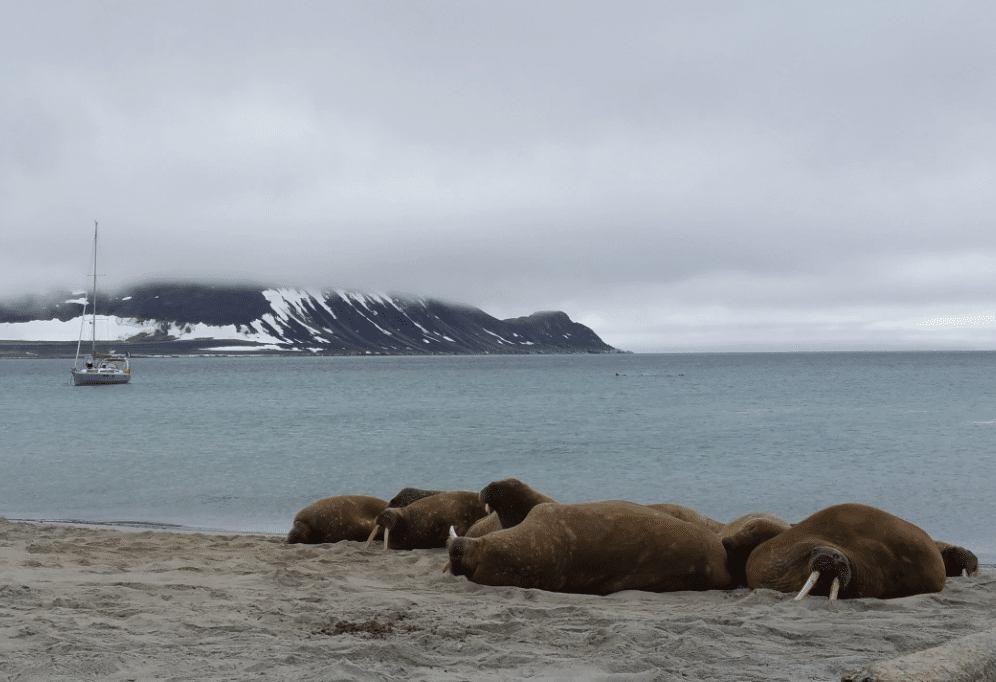
Material
Why is aluminium
so well-suited to blue water sailing ?
When it comes to long-distance sailing, aluminium offers qualities that are particularly well-suited to the demands of extended cruising.
A 100% aluminium construction - hull, deck, coachroof and cockpit - results in a robust and durable structure, with the various components welded together. At ALUBAT, this approach has underpinned the design of yachts built to sail far and for a long time since 1973. But the benefits of aluminium are not just limited to its strength. Its lightness also allows for a balance to be struck between strength, displacement and performance, whilst retaining the seafaring qualities essential for a blue water yacht.
Choosing aluminium also means choosing a sustainable material. It can be infinitely recycled without losing its key properties: strength, lightness and durability. At ALUBAT, this approach is reflected in the construction of our sailing yachts: the aluminium used in their manufacture contains up to 70 per cent recycled aluminium.
The lifespan of ALUBAT yachts also contributes to this approach. Designed to sail for many years, the OVNI and Cigale models can be maintained, adapted and modernised as projects and needs evolve. A design that prioritises the boat’s longevity and service life.
Experience
is the best guide
Given the wide range of models available on the market, it can be tempting to compare lengths, draughts, fuel tank capacities or sail areas.
For a long-distance voyage, however, these figures alone are not enough. It is also important to consider how the boats are actually used: where do they sail ? In what conditions ? With how many people on board ? What level of self-sufficiency are their crews seeking? How are they equipped and maintained ?
Feedback from sailors who have actually sailed in high latitudes or remote regions is particularly valuable in this respect. They help us understand what becomes essential when venturing off the beaten track : protection against the cold, heating, energy self-sufficiency, storage capacity, the sturdiness of the rig, safety equipment, communication systems, the ability to anchor in shallow waters, and ease of upkeep and maintenance.
Expedition boats
as a source of inspiration
Another very practical way of narrowing down your choice is to look at the sailing yachts used by companies specialising in expedition charters.
These professionals face a particularly demanding challenge: they must regularly transport crews to some of the most remote regions on the planet, while ensuring safety, comfort and self-sufficiency on board.
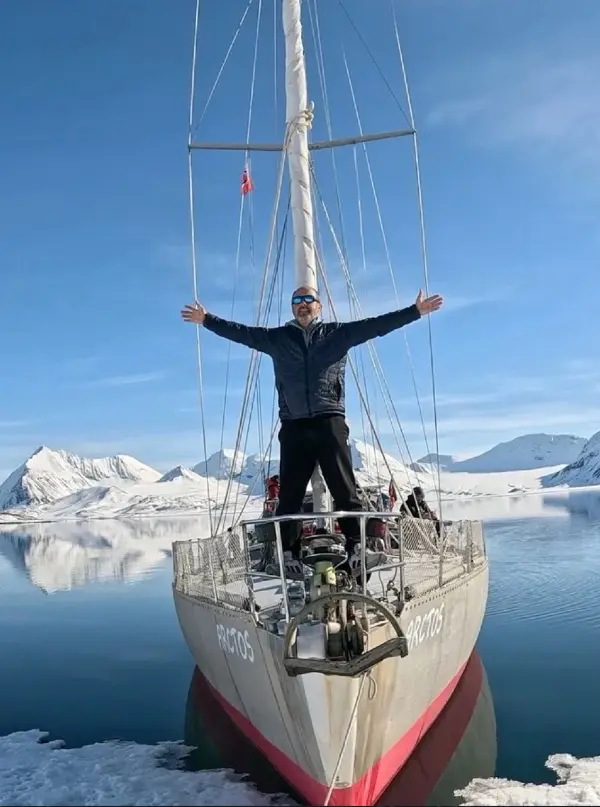
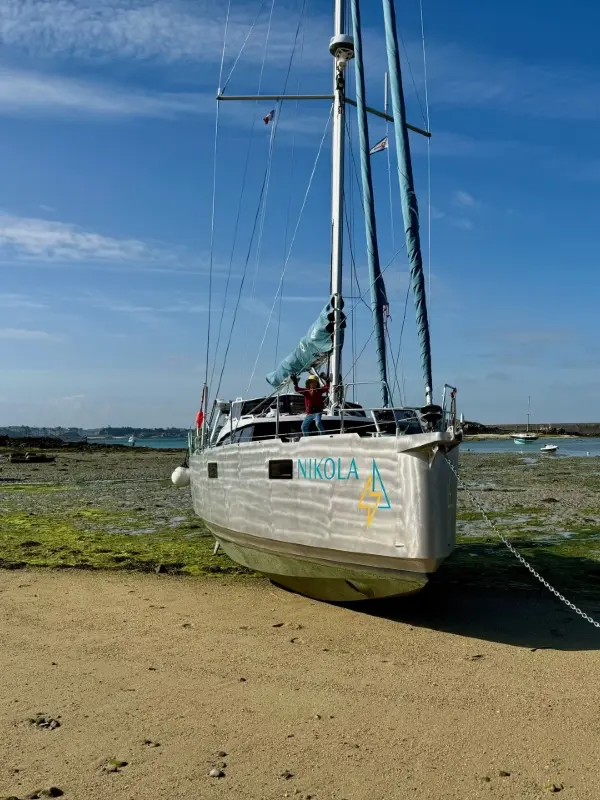
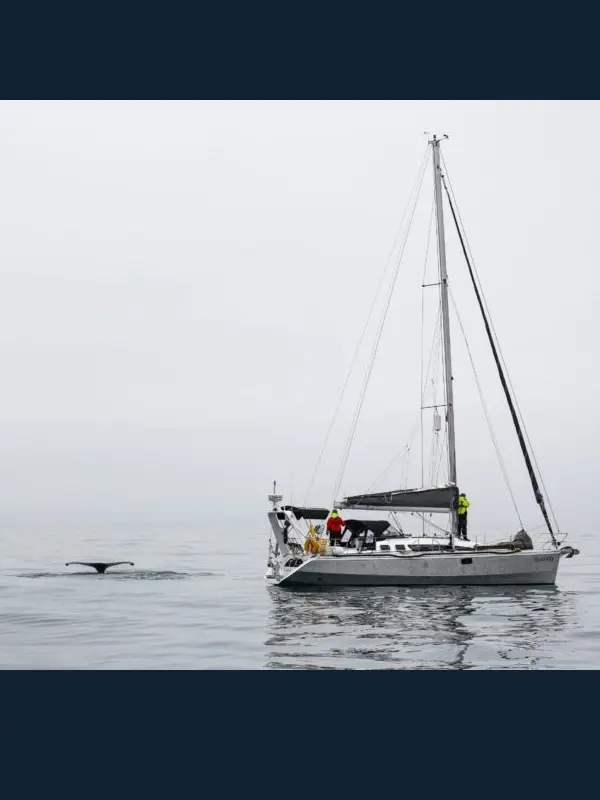
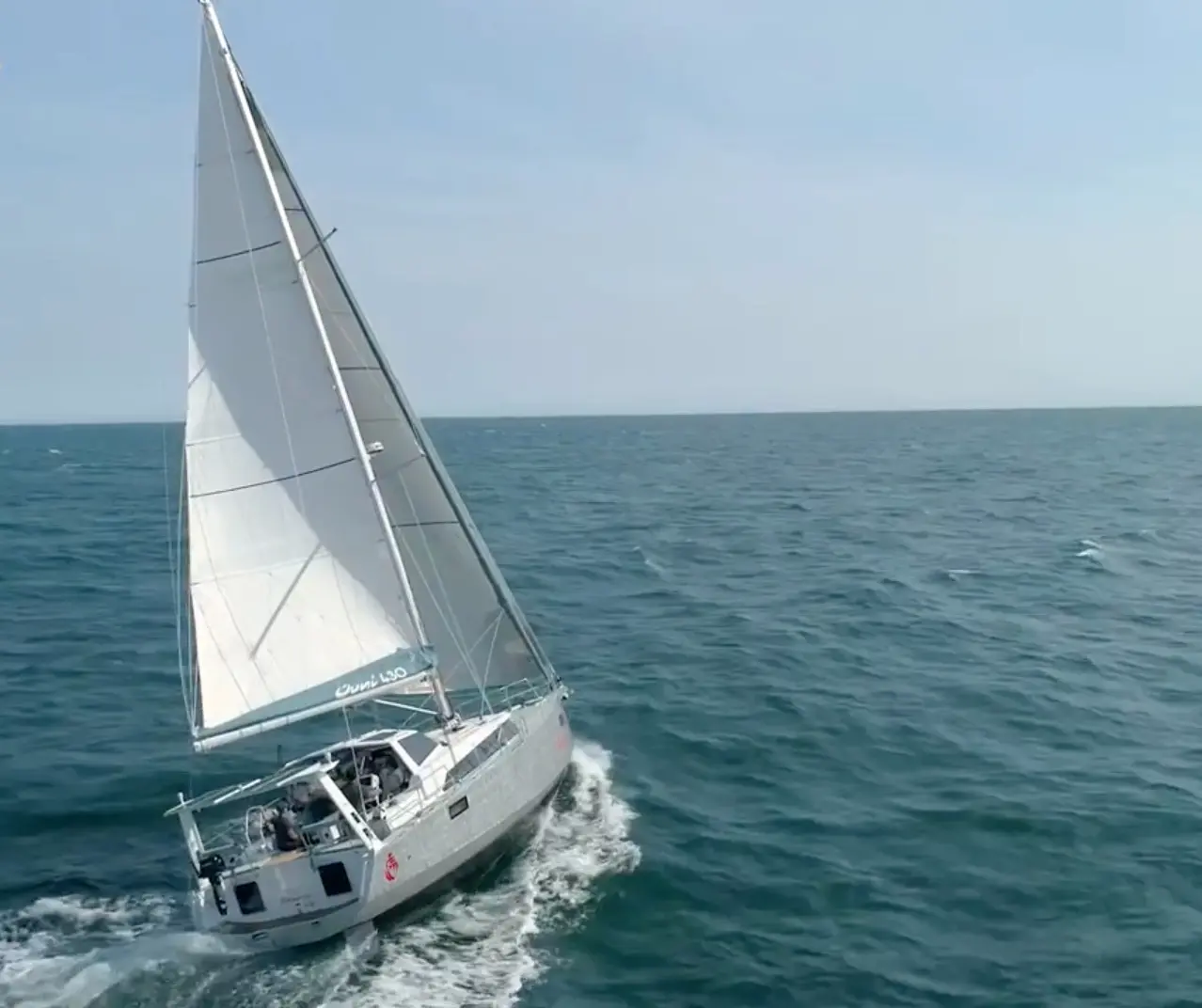
Mirabo Adventures is an excellent example of this. The company currently operates two aluminium expedition sailing yachts, the Mirabo and the Arctos. The latter is an OVNI 56 designed for long voyages and for both hot and cold environments. With its centreboard, substantial water and fuel capacities, and safety equipment, it is designed for ocean crossings and the exploration of remote coastlines.
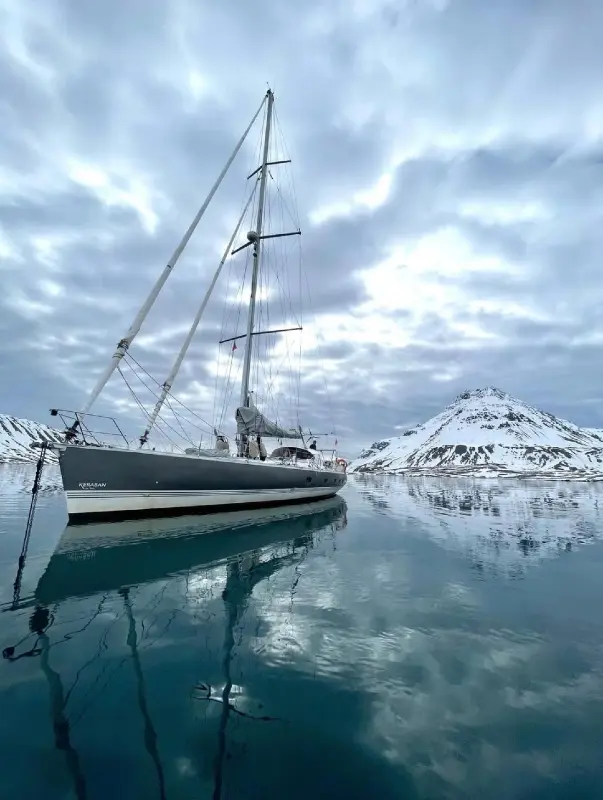
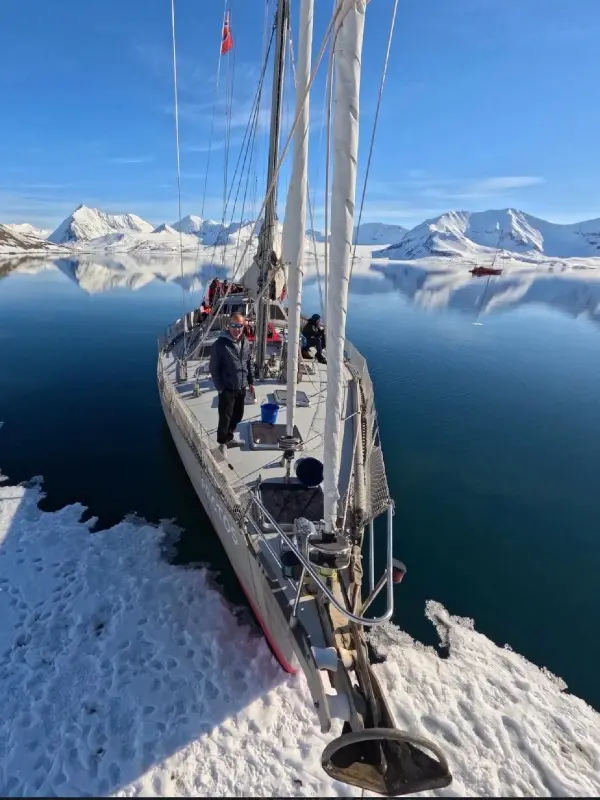
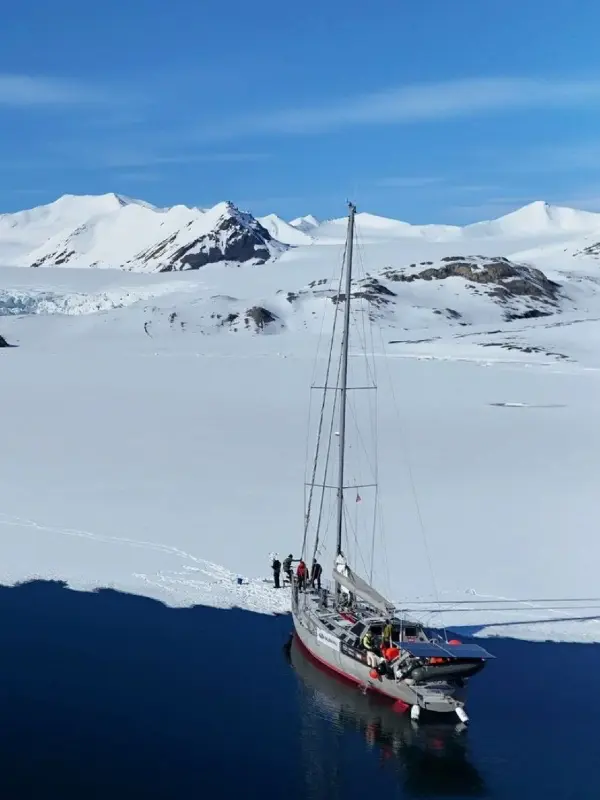
The same approach is taken by Boreal Adventure Sailing, which specialises in Arctic voyages and expeditions. Its fleet comprises two aluminium exploration yachts, including an ALUBAT Cigale 16. This boat is built for high latitude work and is fitted out to high safety standards, with particular attention paid to self-sufficiency, heating, energy and the ability to sail far from infrastructure.
The choice of the Cigale 16 is particularly interesting: this lightweight, high-performance aluminium sailing yacht is used for voyages in high latitudes, notably in Svalbard, and has been specifically adapted for sailing with a short-handed crew.
An experience
to try before you buy
If you’re dreaming of setting off on a blue water voyage but don’t yet know which boat best suits your plans, sailing on an expedition yacht can be an excellent way to get a feel for what it’s like.
Spending a week or two on board gives you a real-life understanding of what it’s really like at sea : watchkeeping duties, sailing manoeuvres, the layout of the spaces, the damp, the cold, energy self-sufficiency, isolated anchorages and sailing short-handed.
Above all, this experience can help you better understand what distinguishes a yacht genuinely designed for expeditions from a boat that is simply capable of making long passages.
Observing these yachts, their equipment and how they’re organised helps you better define your own needs before choosing your own : where will you sail ? In what conditions ? For how long ? With what crew ?
The right yacht
is the one that suits your adventure
There is no single “best” blue water sailing boat. What you’re looking for is the one that best suits your sailing plans.
Boat builders specialising in blue water sailing each offer their own approach to meeting the demands of extended voyages. Some prioritise self-sufficiency and exploration capabilities, whilst others focus on performance, liveability or the ability to navigate in shallow waters.
At Alubat, these requirements are reflected in two sailing philosophies, united by a single choice : 100% aluminium construction. The OVNI range prioritises blue water sailing, versatility, self-sufficiency and the ability to explore, whilst the Cigale range places greater emphasis on performance and speed to cover long distances quickly and undertake multiple ocean crossings.
The right boat is the one that will take you where you dream of going, on your own terms, chosen by you.

